






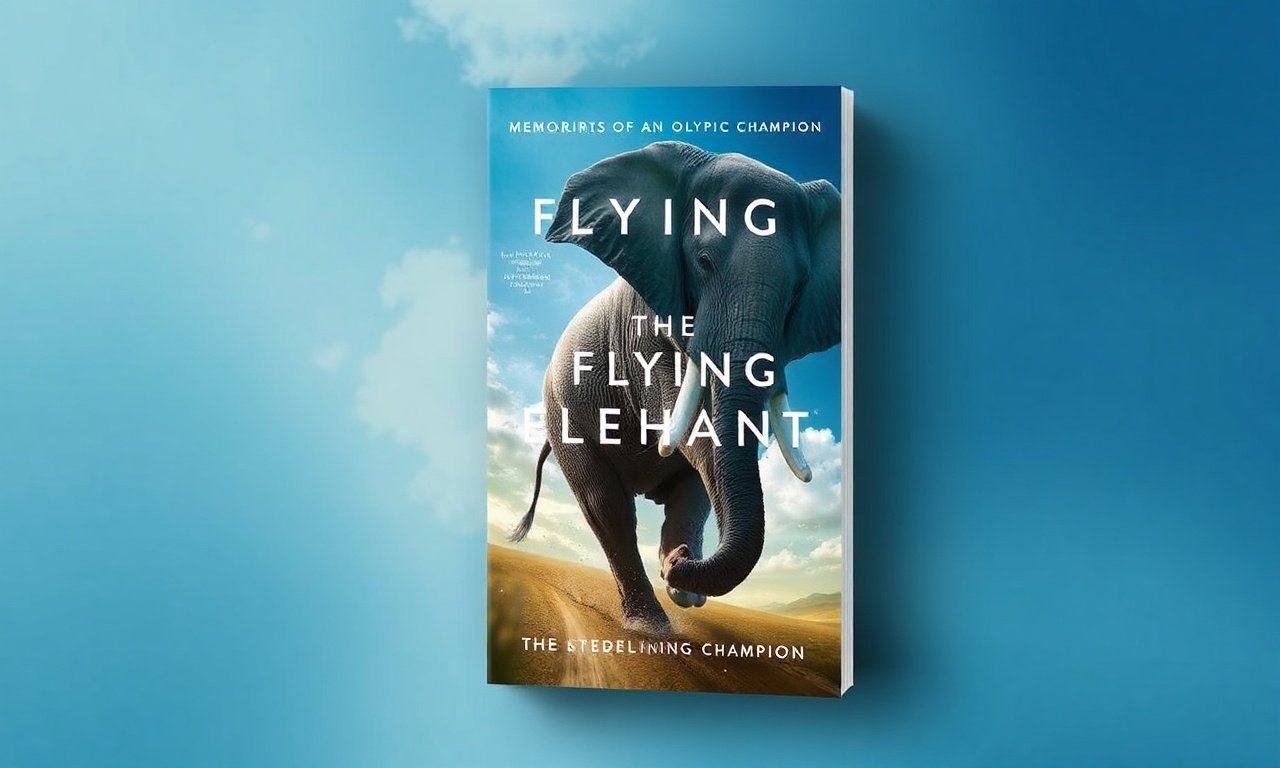
Few stories capture the imagination quite like the-flying-elephant-memoirs-of-an-olympic-champion. This powerful memoir transcends the typical sports narrative, weaving together personal struggle, national pride, and the quiet determination that defines true greatness. At its core, it is the story of an athlete who defied expectations, not just on the field, but in life. See Exploring the Legacy of kathleen-nimmo-lynch in Modern Literature for a related article on this site
The title itself—’The Flying Elephant’—is a metaphor born from childhood teasing. Early in life, the author was called clumsy, too large, too slow. Yet, through relentless training and an unshakable belief in self, they transformed perceived weaknesses into strengths. The memoir opens with a vivid recollection of a pivotal moment during the Olympic trials, where a single leap—both literal and symbolic—changed everything. That moment, described with raw honesty, sets the tone for a narrative that is as much about inner strength as it is about athletic achievement. For broader background, List of Academy Award–nominated films explains the topic in more detail
From Doubt to Dominance
The journey to Olympic gold was anything but linear. The author recounts years of grueling training, injuries that nearly ended their career, and the emotional toll of competing under immense public scrutiny. What sets this memoir apart is its refusal to romanticize the process. Instead, it offers a candid look at the isolation, self-doubt, and sacrifices that accompany elite performance.
One particularly moving chapter details a period of depression following a major competition loss. Rather than gloss over this, the narrative leans into the vulnerability, showing how support from family and a renewed sense of purpose helped reignite the competitive fire. This honesty resonates deeply with readers, making the-flying-elephant-memoirs-of-an-olympic-champion not just a sports story, but a human one. For broader background, The Flying Elephant: Memoirs of an Olympic Champion Kindle Edition explains the topic in more detail
The Weight of Expectation
As the author rose through the ranks, so too did the expectations. National media attention, sponsorship deals, and the pressure to perform at every event created a complex web of obligations. The memoir explores how fame can distort identity, especially when an athlete becomes a symbol for an entire country’s hopes.
There’s a poignant reflection on the 2016 Olympics, where the author carried their nation’s flag into the stadium. The weight of that moment—both literal and emotional—is described with striking clarity. “I wasn’t just representing myself,” they write. “I was carrying the dreams of millions.” This sense of duty, while inspiring, also brought moments of quiet exhaustion, a theme that recurs throughout the book.
Lessons Beyond the Podium
What truly elevates this memoir is its focus on life after competition. Many sports biographies end with the medal ceremony, but this one continues, exploring the challenges of transition. The author discusses the difficulty of finding purpose post-retirement, the struggle to redefine identity, and the importance of mentorship.
They share how coaching young athletes became a new calling, allowing them to pass on hard-earned wisdom. One chapter is dedicated entirely to a training camp in rural Kenya, where they worked with underprivileged youth. The experience, they admit, reshaped their understanding of success. “Victory isn’t just measured in medals,” they reflect. “It’s in the lives you touch.”
Exploring the Legacy of kathleen-nimmo-lynch in Modern Literature offers a fascinating parallel to this theme, as both figures use storytelling to inspire change beyond their original fields.
A Legacy in Print
The literary quality of the-flying-elephant-memoirs-of-an-olympic-champion has drawn praise from critics and readers alike. Written in a lyrical yet accessible style, it balances vivid imagery with introspective depth. Each chapter feels like a carefully crafted vignette, building toward a cohesive and emotionally resonant whole.
It has been compared to other great sports memoirs, not just for its content, but for its cultural impact. The book has sparked conversations about mental health in athletics, the role of athletes as public figures, and the importance of storytelling in preserving sporting history.
Interestingly, the memoir has also found an audience beyond sports enthusiasts. Educators have used it in leadership courses, and its themes of resilience and reinvention resonate in corporate training programs. Even filmmakers have taken note—rumors of a potential adaptation have circulated, though the author remains cautious about how their story might be portrayed.
For those interested in cinematic storytelling, the List of Academy Award–nominated films offers a rich archive of narratives that, like this memoir, explore triumph over adversity.
Final Reflections
The-flying-elephant-memoirs-of-an-olympic-champion is more than a record of athletic achievement. It is a testament to the power of perseverance, the complexity of identity, and the enduring impact of a single story told with courage and clarity.
Whether you’re a sports fan, a lover of memoirs, or someone searching for inspiration, this book delivers. It doesn’t promise easy answers, but it offers something more valuable: truth. And in a world that often celebrates only the highlight reel, that truth is revolutionary.