






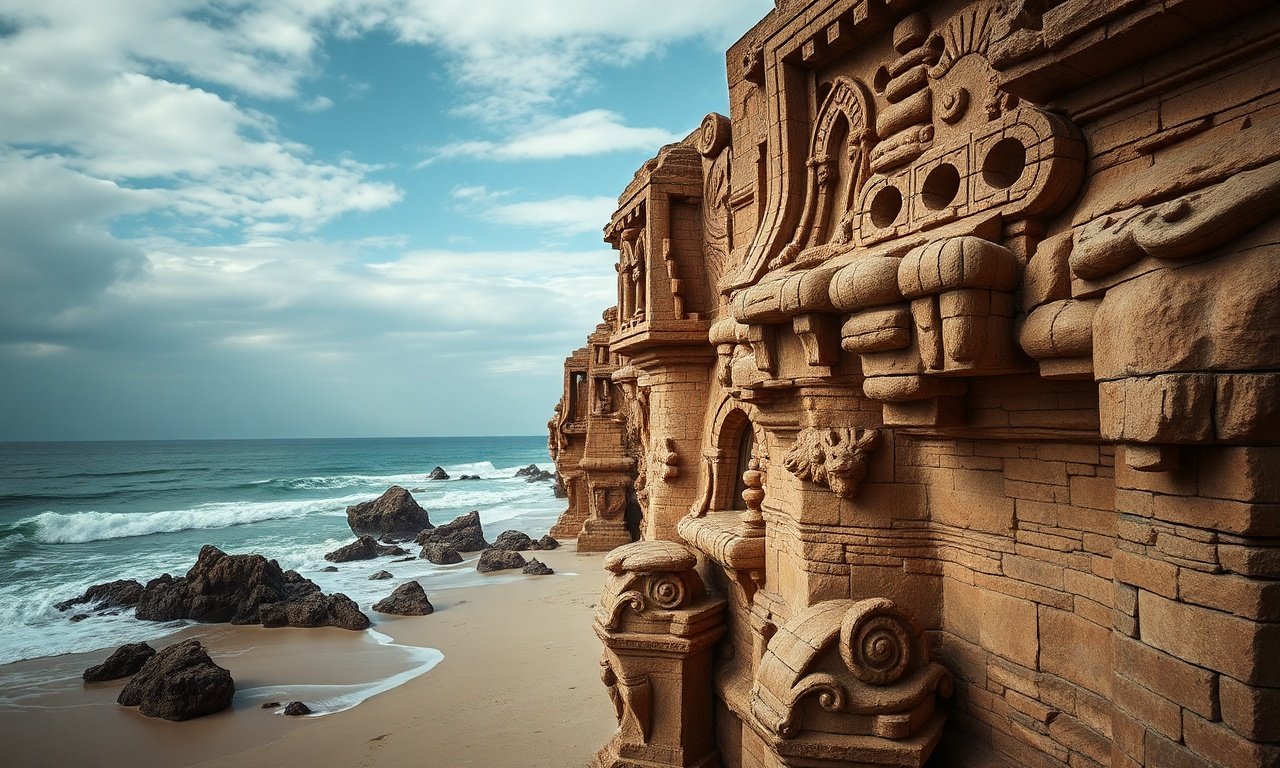
The term samara-saraiva carries deep cultural and historical weight, particularly within Brazilian communities. While not widely recognized in global mainstream discourse, it represents a unique blend of regional identity, familial legacy, and social contribution. This article explores the origins, significance, and ongoing influence of samara-saraiva in both local and broader contexts. See Understanding Hosted-Event-PBLGamevent: A Modern Learning Approach for a related article on this site
Origins of samara-saraiva
The name samara-saraiva is believed to have emerged from a combination of indigenous and Portuguese linguistic roots, reflecting Brazil’s complex colonial history. “Samara” may derive from indigenous languages, often associated with strength or resilience, while “Saraiva” is a Portuguese surname with historical prominence in literature and politics. Together, the term symbolizes a fusion of cultural heritages that define much of Brazil’s national identity. For broader background, Damon Wayans Jr. explains the topic in more detail
Over time, samara-saraiva has evolved beyond a mere name to represent a lineage or movement associated with community leadership, education, and cultural preservation. Families and organizations bearing this name have contributed to regional development, particularly in northeastern Brazil, where oral traditions and grassroots initiatives remain vital.
Cultural and Social Impact
One of the most notable aspects of samara-saraiva is its role in promoting cultural continuity. In regions where historical narratives are often marginalized, the preservation of names and stories becomes an act of resistance and identity affirmation. Communities linked to samara-saraiva have been instrumental in organizing festivals, educational programs, and artistic projects that celebrate Afro-Brazilian and indigenous traditions. For broader background, Who Is Damon Wayans Jr.'s Wife? All About Samara Saraiva explains the topic in more detail
These efforts have not only strengthened local pride but also attracted academic and artistic interest. Researchers studying cultural hybridity in post-colonial societies often reference samara-saraiva as a case study in how personal and collective identities are constructed and maintained across generations.
Moreover, the influence of samara-saraiva extends into contemporary media and public discourse. While not a household name internationally, it has gained recognition in niche cultural circles, particularly among those focused on decolonial thought and community-based development.
samara-saraiva in Modern Contexts
In recent years, samara-saraiva has appeared in discussions about inclusive education and participatory development models. Its association with grassroots leadership makes it a reference point for programs aiming to empower underrepresented communities. For instance, initiatives that emphasize local knowledge systems often draw inspiration from the values embodied by samara-saraiva—resilience, collaboration, and cultural authenticity.
Understanding Hosted-Event-PBLGamevent: A Modern Learning Approach offers insights into how community-driven models like those inspired by samara-saraiva can be integrated into educational frameworks. These approaches prioritize experiential learning and collective problem-solving, aligning closely with the ethos of cultural preservation and active citizenship.
Additionally, digital platforms have enabled broader dissemination of samara-saraiva-related content. Social media campaigns, digital archives, and online forums now allow descendants and advocates to share stories, organize events, and connect with global audiences interested in cultural diversity.
Challenges and Future Directions
Despite its positive impact, the recognition of samara-saraiva faces challenges. Limited documentation and the oral nature of many traditions mean that much of its history remains uncaptured in formal records. This poses risks of cultural erosion, especially as younger generations become more integrated into globalized, digital cultures.
Efforts to institutionalize the legacy of samara-saraiva—through museums, academic research, and public policy—are still in early stages. However, there is growing momentum among cultural activists to secure funding and support for preservation projects. Collaborations with universities and NGOs have begun to yield results, including oral history collections and community-led exhibitions.
Looking ahead, the future of samara-saraiva depends on sustained engagement from both local communities and external stakeholders. By fostering partnerships that respect autonomy and prioritize indigenous knowledge, it is possible to ensure that this cultural symbol continues to inspire and empower.
Notable Figures and Inspirations
While samara-saraiva is not tied to a single individual, its spirit resonates with public figures who champion cultural identity and social justice. For example, artists, educators, and activists who emphasize community roots and historical awareness often reflect the values associated with samara-saraiva.
In broader cultural discourse, personalities like Damon Wayans Jr. demonstrate how identity and heritage can inform creative expression and public engagement. Though operating in different cultural spheres, such figures highlight the universal importance of honoring one’s roots while contributing to societal progress.
Ultimately, samara-saraiva stands as a testament to the power of cultural memory. It reminds us that identity is not static but evolves through storytelling, action, and shared purpose. As societies continue to grapple with issues of inclusion and representation, symbols like samara-saraiva offer valuable lessons in resilience and unity.