






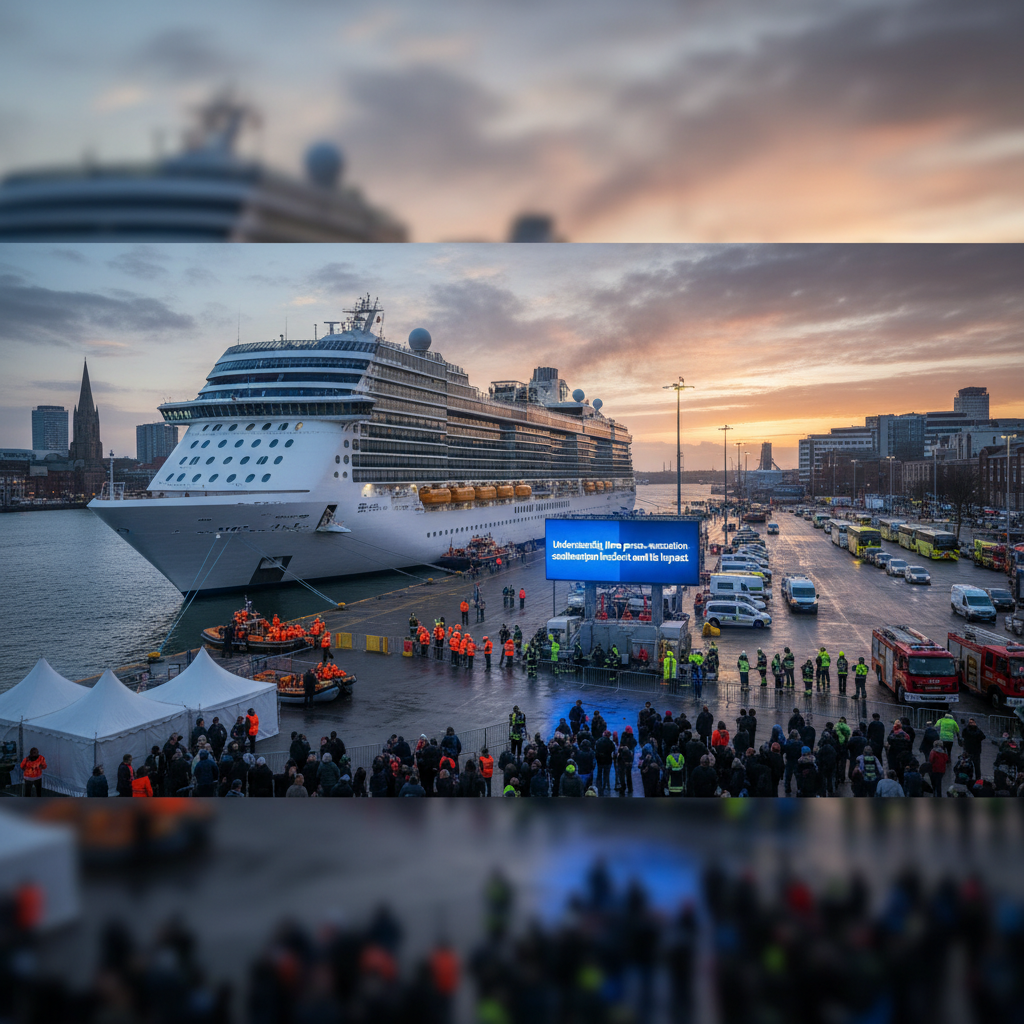
The po-cruise-evacuation-southampton incident has drawn significant attention to emergency preparedness in the cruise industry. Occurring at one of the UK’s busiest passenger ports, the event highlighted both the vulnerabilities and strengths of current maritime safety protocols. While the evacuation was executed with minimal disruption, it sparked widespread discussion about how cruise lines and port authorities manage large-scale emergencies. See Find the best-cocido-gallego-near-me in 2024 for a related article on this site
Southampton, a major hub for transatlantic and European cruises, handles thousands of passengers daily. The po-cruise-evacuation-southampton scenario unfolded during a routine docking procedure when a technical fault triggered a fire alarm onboard a prominent cruise vessel. Although no fire was confirmed, the protocol required a full passenger evacuation as a precaution. Emergency services, port staff, and crew members coordinated swiftly to ensure all individuals were safely disembarked within 90 minutes. For broader background, Gaza war protests explains the topic in more detail
Emergency Response and Coordination
The success of the evacuation largely depended on pre-established emergency plans and real-time communication. Southampton’s port authority activated its crisis management team immediately, deploying additional personnel to manage crowd control and assist passengers with mobility needs. Local fire and medical units were on standby, though no injuries were reported. The cruise line’s crew conducted orderly muster drills, guiding passengers to designated assembly points with clear instructions.
One key factor in the smooth operation was the integration of digital tracking systems. Each passenger’s location was monitored via wearable ID bands, allowing staff to verify attendance at muster stations efficiently. This technology, increasingly common in modern cruise operations, proved invaluable during the po-cruise-evacuation-southampton event. It reduced confusion and enabled rapid accountability, minimizing the risk of missing persons. For broader background, Bomb Scare Forces Evacuation of P&O Ventura at Southampton Cruise Port explains the topic in more detail
Passenger Experience and Communication
Despite the controlled environment, many passengers reported anxiety and confusion during the initial stages of the evacuation. Some cited unclear announcements and delays in receiving updates. In response, the cruise operator issued a public statement acknowledging the emotional impact and outlining steps to improve communication during future drills or emergencies.
Transparency played a crucial role in restoring confidence. The company provided real-time updates via its mobile app and onboard screens, detailing the nature of the alarm and the expected timeline for reboarding. Passengers were also offered complimentary meals and access to customer service desks while waiting onshore. These measures helped maintain goodwill, even under stressful conditions.
Regulatory and Industry Implications
The incident prompted a review of safety regulations by maritime authorities. While current International Maritime Organization (IMO) guidelines mandate regular evacuation drills, the po-cruise-evacuation-southampton case revealed gaps in cross-agency coordination during actual emergencies. Ports and cruise lines are now being encouraged to conduct joint simulation exercises to strengthen interoperability.
Additionally, there is growing pressure to standardize emergency communication protocols across the industry. Experts recommend multilingual announcements, visual aids for hearing-impaired passengers, and dedicated support for families with children. These enhancements aim to ensure inclusivity and clarity, especially in high-stress situations.
Broader Context and Public Perception
While the evacuation was ultimately a success, it occurred amid heightened public sensitivity to safety issues. Recent global events, including the Gaza war protests, have amplified scrutiny of institutional responses to crises. In this climate, even routine safety procedures can attract disproportionate attention, influencing how companies manage public relations.
For travelers, the incident serves as a reminder to familiarize themselves with safety protocols before boarding. Knowing muster station locations, understanding emergency signals, and keeping contact information accessible can make a significant difference during unexpected events. Cruise lines, in turn, must balance operational efficiency with passenger reassurance, ensuring that safety remains a visible priority.
Looking Ahead: Lessons and Improvements
In the aftermath of the po-cruise-evacuation-southampton event, stakeholders are focusing on proactive improvements. Enhanced training for crew members, upgraded alarm systems with better fault detection, and expanded collaboration with local emergency services are among the top priorities. Some operators are also exploring AI-driven monitoring tools to predict and prevent technical failures before they escalate.
Passenger education is another critical area. Interactive safety briefings, virtual reality drills, and pre-cruise online modules can increase awareness and preparedness. By empowering travelers with knowledge, cruise lines can foster a culture of safety that extends beyond regulatory compliance.
Ultimately, the po-cruise-evacuation-southampton incident underscores the importance of vigilance, coordination, and continuous improvement in maritime travel. While no system is flawless, the lessons learned here can shape safer, more resilient cruise operations worldwide. For those seeking comfort beyond the high seas, Find the best-cocido-gallego-near-me in 2024 offers a warm alternative after a long journey.