





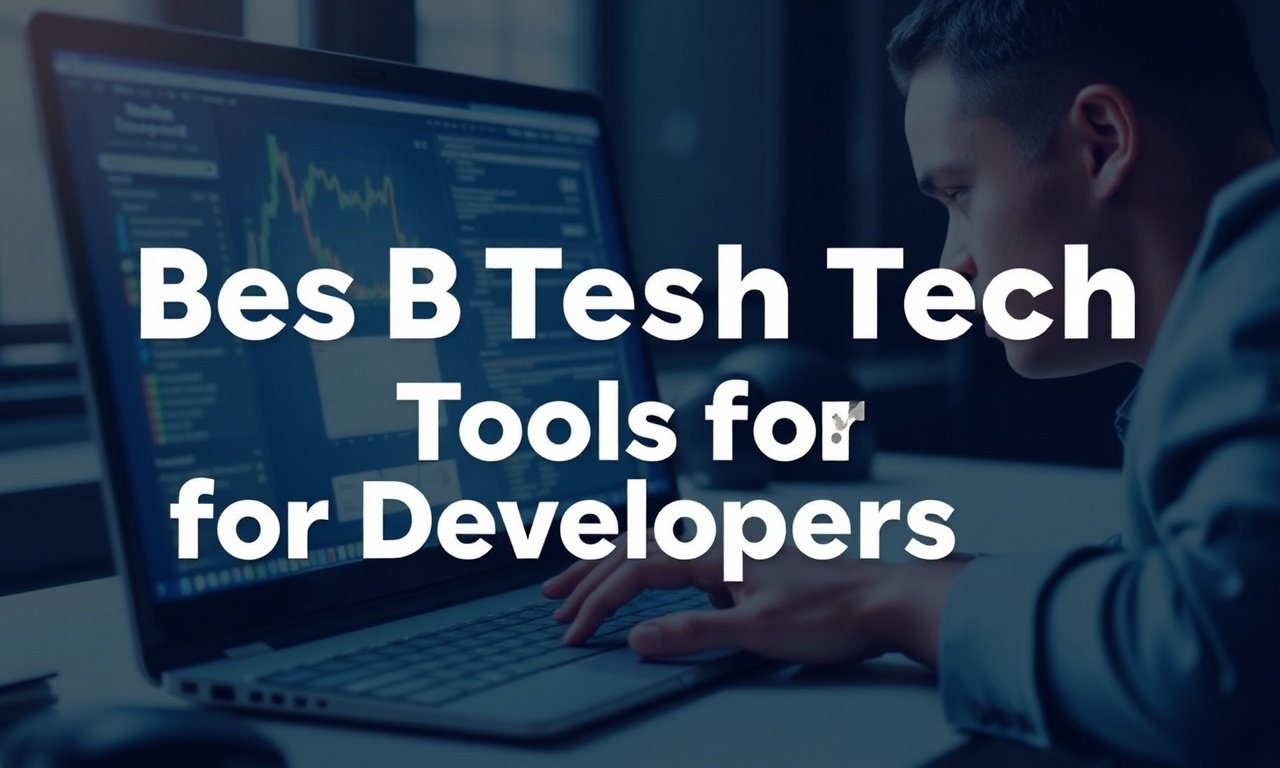
Finding the right tools can make or break a developer’s workflow. With the rapid evolution of technology, staying updated with the droven-io-best-tech-tools-for-developers is essential for efficiency, collaboration, and code quality. Whether you’re building web applications, managing databases, or debugging complex systems, the right toolkit can significantly reduce development time and improve outcomes. See best-distance-learning-resources – Top 10 Best Distance Learning Resources for 2024 for a related article on this site
This article explores a curated selection of tools that have proven invaluable across various development environments. From code editors to deployment platforms, these tools are trusted by professionals worldwide and align with the standards highlighted in the droven io best tech tools for developers – 99techpost.com analysis. For broader background, droven io best tech tools for developers – 99techpost.com explains the topic in more detail
Code Editors and IDEs
A powerful code editor is the foundation of any developer’s setup. Visual Studio Code remains a top choice due to its extensive extension library, integrated terminal, and support for nearly every programming language. Its lightweight design and real-time collaboration features make it ideal for both solo and team projects.
For those working with Java or enterprise-level applications, IntelliJ IDEA offers intelligent coding assistance, deep framework integration, and robust refactoring tools. Similarly, JetBrains’ suite of IDEs provides language-specific optimizations that enhance productivity.
Version Control and Collaboration
Git is the undisputed standard for version control, but platforms like GitHub, GitLab, and Bitbucket elevate its utility by adding collaboration features. These platforms support pull requests, issue tracking, CI/CD pipelines, and code reviews—all critical for modern software teams.
GitHub Actions and GitLab CI enable automated testing and deployment, reducing manual errors and accelerating release cycles. Integrating these tools into your workflow ensures that code changes are validated and deployed consistently.
Containerization and Deployment
Docker has revolutionized how applications are packaged and deployed. By containerizing apps, developers ensure consistency across environments—from local development to production. Kubernetes complements Docker by managing container orchestration at scale, making it indispensable for microservices architectures.
For serverless deployments, platforms like AWS Lambda and Vercel allow developers to run code without managing infrastructure. These tools are particularly useful for frontend developers and startups aiming for rapid iteration.
API Development and Testing
Building and testing APIs efficiently requires specialized tools. Postman stands out for its intuitive interface, allowing developers to create, share, and test API requests with ease. It supports automated testing, documentation generation, and team collaboration.
For real-time API monitoring, tools like Insomnia and Swagger provide detailed insights into request performance and schema validation. These tools help maintain API reliability and improve developer experience.
Database Management
Managing databases effectively is crucial for application performance. Tools like DBeaver offer a universal database client supporting MySQL, PostgreSQL, MongoDB, and more. Its SQL editor, data visualization, and schema comparison features streamline database administration.
For NoSQL databases, MongoDB Compass provides a graphical interface to explore and manipulate data. It includes performance diagnostics and index optimization, helping developers maintain efficient queries.
Task Runners and Build Tools
Automating repetitive tasks saves time and reduces errors. Webpack remains a dominant module bundler for JavaScript applications, enabling code splitting, lazy loading, and asset optimization. For simpler projects, Vite offers faster build times with native ES modules.
Task runners like Gulp and Grunt allow developers to automate minification, compilation, and testing. While newer tools have emerged, these remain relevant for legacy projects and custom workflows.
Monitoring and Debugging
Proactive monitoring prevents downtime and improves user experience. Sentry and LogRocket capture errors and user interactions in real time, providing detailed context for debugging. These tools are especially valuable for frontend and mobile applications.
For backend services, Prometheus and Grafana offer powerful monitoring and visualization capabilities. They help track system metrics, set alerts, and analyze performance trends over time.
Staying ahead in development means leveraging tools that enhance both individual productivity and team collaboration. The droven-io-best-tech-tools-for-developers represent a blend of innovation, reliability, and community support. By integrating these tools into your workflow, you can build higher-quality software faster and with fewer headaches.
For developers looking to expand their learning alongside tool adoption, exploring resources like the best-distance-learning-resources – Top 10 Best Distance Learning Resources for 2024 can provide valuable upskilling opportunities. Combining the right tools with continuous learning ensures long-term success in the ever-evolving tech landscape.